
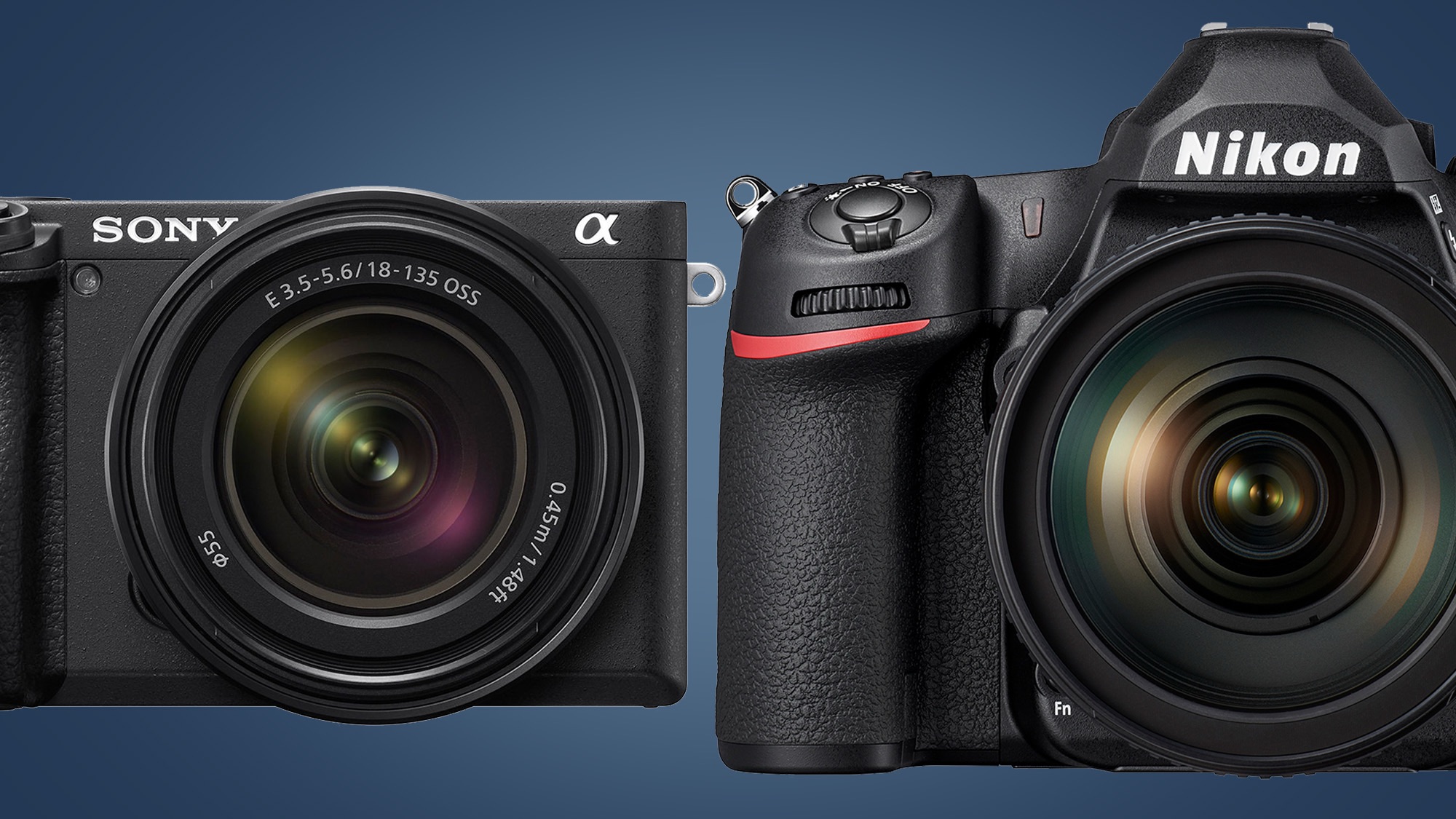
Mirrorless cameras have rapidly overtaken DSLRs as the preferred choice for photographers and videographers. Thanks to advances in autofocus, video performance, and overall design, mirrorless systems now offer clear advantages over traditional DSLR cameras.
This article breaks down why mirrorless cameras are better than DSLRs, and whether switching makes sense for you.
1. Superior Autofocus Performance
One of the biggest advantages of mirrorless cameras is their on-sensor autofocus system.
Mirrorless cameras use phase-detection pixels directly on the image sensor, allowing:
- Faster autofocus acquisition
- More accurate focusing
- Near edge-to-edge autofocus coverage
- Advanced subject tracking (faces, eyes, animals, birds, vehicles)
DSLRs rely on a separate autofocus module that works only when using the optical viewfinder, often limited to the center of the frame and prone to calibration errors.
2. What You See Is What You Get Viewfinder
Mirrorless cameras use electronic viewfinders (EVFs) instead of optical mirrors.
This allows photographers to preview:
- Exposure changes in real time
- White balance adjustments
- Depth of field
- Focus peaking and highlight warnings
With DSLRs, the optical viewfinder shows the scene before exposure settings are applied, which can lead to trial-and-error shooting.
3. Smaller, Lighter Camera Bodies
Without the mirror box and prism, mirrorless cameras are:
- More compact
- Lighter to carry
- Better balanced for handheld shooting and gimbals
This makes mirrorless cameras ideal for travel, street photography, and long shooting sessions where weight matters.
4. Better Video Capabilities
Mirrorless cameras dominate modern video production.
Key video advantages include:
- Advanced continuous autofocus during video
- 4K, 6K, and even 8K recording options
- No autofocus limitations when filming
- Silent operation with no mirror movement
Most DSLRs were designed primarily for still photography, while mirrorless systems are built with video as a core feature.
5. Faster Shooting and Silent Mode
Because there is no mirror flipping up and down, mirrorless cameras offer:
- Faster burst shooting speeds
- Reduced vibration
- Completely silent electronic shutter modes
Silent shooting is especially valuable for wildlife, weddings, concerts, and professional events.
6. Improved Lens Design and Adaptability
The shorter flange distance of mirrorless mounts allows manufacturers to:
- Design sharper lenses, especially wide-angle lenses
- Improve edge-to-edge image quality
- Easily adapt DSLR and vintage lenses
Mirrorless cameras are also more flexible for photographers who enjoy using legacy glass.
7. Mirrorless Is the Future of Photography
Camera manufacturers now focus almost entirely on mirrorless development:
- New lenses are designed primarily for mirrorless systems
- Research and innovation prioritize mirrorless platforms
- DSLR production has largely been phased out
While DSLRs remain usable, mirrorless cameras represent the long-term future of interchangeable-lens photography.
When a DSLR Might Still Be the Right Choice
Despite their advantages, DSLRs may still appeal to some users:
- Longer battery life per charge
- Preference for optical viewfinders
- Lower cost on the used market
- Existing investment in DSLR lenses
For many photographers, however, these benefits no longer outweigh the technological advantages of mirrorless systems.
Final Verdict: Mirrorless vs DSLR
Mirrorless cameras are better than DSLRs because they are:
- Faster and more accurate
- Smaller and lighter
- Superior for video
- More technologically advanced
- Future-proof
For beginners and professionals alike, mirrorless cameras now offer the best overall performance and value.