
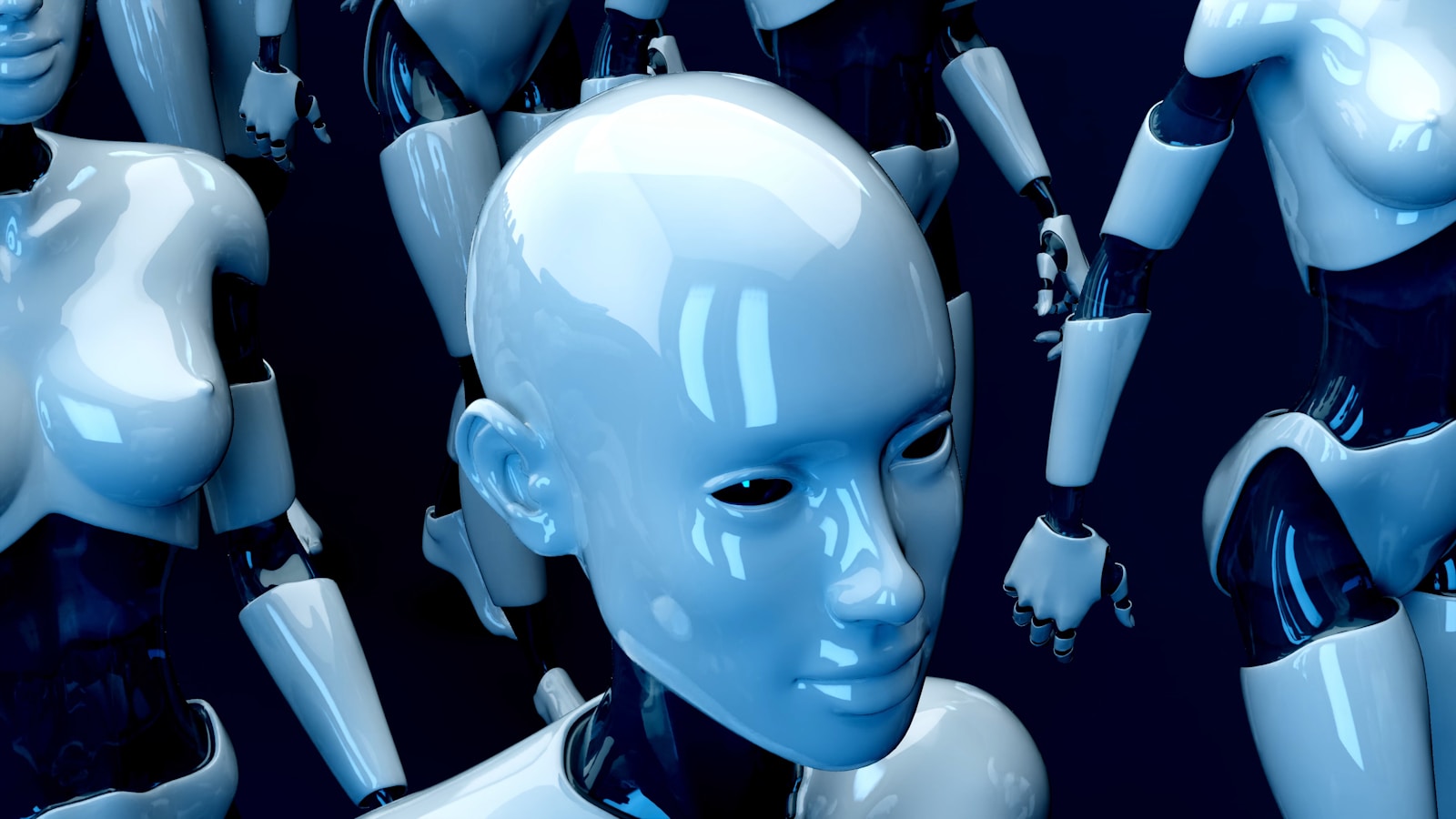
Artificial intelligence has moved far beyond simple chatbots and search tools. One of the most important developments in modern AI is the rise of the AI agent — systems designed not just to answer questions, but to take action, make decisions, and complete tasks autonomously.
AI agents are increasingly being used across business, technology, media, and everyday digital workflows, reshaping how work gets done.
What Is an AI Agent?
An AI agent is a software system that can perceive its environment, decide what to do next, and act on behalf of a user to achieve a specific goal.
Unlike traditional chatbots, which are limited to generating responses, AI agents can:
- Perform multi-step tasks
- Use external tools and APIs
- Adapt their actions based on outcomes
- Operate with minimal human supervision
In short, an AI agent doesn’t just provide information — it does the work.
How AI Agents Work
Most AI agents follow a four-step loop:
- Perception – The agent gathers information from data sources, websites, APIs, or software systems
- Decision-making – It evaluates options based on goals and constraints
- Action – It executes tasks such as clicking links, filling forms, running code, or sending messages
- Feedback and adjustment – It analyzes results and adjusts future actions
This loop allows AI agents to handle complex workflows that would normally require human attention.
AI Agent vs. Chatbot: What’s the Difference?
| Feature | Chatbot | AI Agent |
|---|---|---|
| Answers questions | Yes | Yes |
| Takes real actions | No | Yes |
| Uses tools and APIs | Limited | Extensive |
| Handles multi-step tasks | No | Yes |
| Operates autonomously | No | Yes |
Chatbots are reactive and conversational. AI agents are goal-driven and operational.
Real-World Examples of AI Agents
AI agents are already being used in practical, high-impact ways:
- Business automation – Syncing CRM data, managing customer records, and triggering workflows
- Browser agents – Navigating websites, logging in, filling forms, and completing transactions
- Data agents – Collecting, cleaning, and pushing data between platforms like Eventbrite, HubSpot, or internal databases
- Monitoring agents – Tracking prices, analytics, or market conditions and sending alerts
- Scheduling agents – Coordinating meetings and managing calendars automatically
These systems reduce manual work and improve speed, accuracy, and scalability.
Types of AI Agents
There are several common categories of AI agents:
- Reactive agents – Respond instantly to inputs without long-term planning
- Planning agents – Break down goals into structured steps
- Learning agents – Improve performance over time using feedback
- Multi-agent systems – Multiple agents working together or competing to achieve outcomes
Each type serves different use cases, from simple automation to complex decision-making environments.
Why AI Agents Are So Important
AI agents represent a shift from AI as information to AI as execution.
They enable:
- Automation of repetitive digital labor
- Scalable operations without increasing headcount
- Faster decision-making across systems
- Always-on workflows that don’t require human intervention
For businesses and creators, AI agents function like virtual employees — capable of handling tasks continuously and consistently.
The Future of AI Agents
As AI models become more capable and tools become more integrated, AI agents are expected to play a central role in:
- SaaS platforms
- Enterprise automation
- Media operations
- E-commerce and marketing
- Personal productivity systems
AI agents are no longer experimental — they are quickly becoming a foundational layer of modern software.