


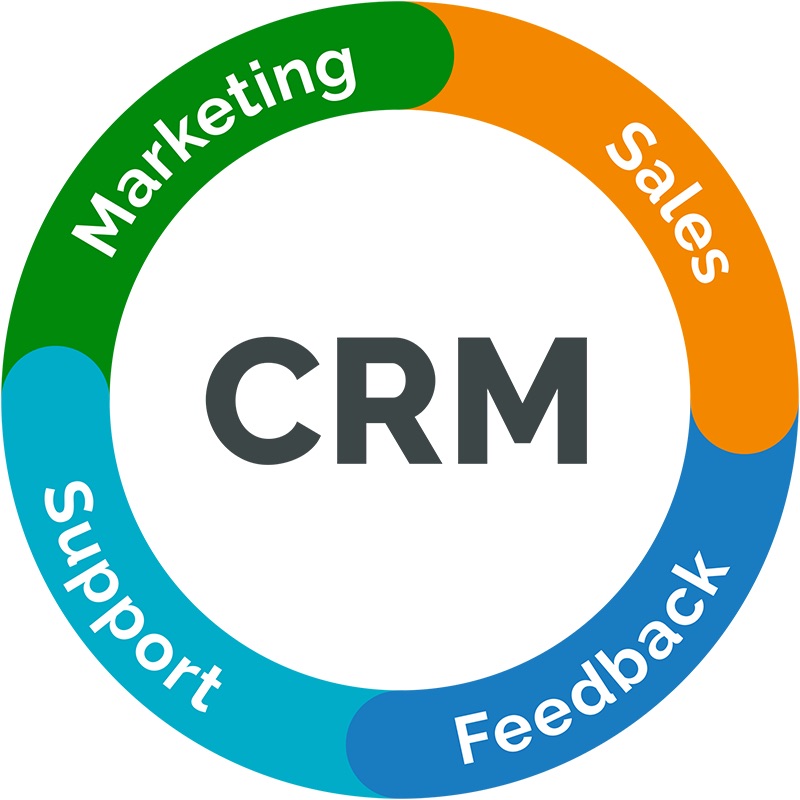
Customer Relationship Management, commonly referred to as CRM, is a strategy and technology used by businesses to manage interactions with customers, prospects, and contacts. CRM systems help organizations organize customer information, track communications, and improve relationships throughout the customer lifecycle.
Today, CRM platforms are widely used by companies of all sizes to streamline sales, marketing, and customer support processes.
What Is CRM?
CRM stands for Customer Relationship Management. It refers to both the process of managing customer relationships and the software systems used to support that process.
A CRM system acts as a central database for customer data, allowing businesses to store and manage important information such as:
- Names and contact details
- Company information
- Communication history (emails, calls, meetings)
- Sales opportunities and deals
- Customer service requests
- Purchase history
Instead of keeping customer information scattered across spreadsheets, emails, and notes, a CRM platform organizes everything in one place so teams can easily access and update it.
Why Businesses Use CRM Systems
CRM software helps companies improve efficiency and strengthen customer relationships. By having a centralized system for managing contacts and interactions, businesses can better understand customer needs and respond more effectively.
Some of the key benefits of CRM include:
Improved sales management
Sales teams can track leads, monitor deals in progress, and manage their sales pipeline more effectively.
Better customer insights
CRM systems collect data that helps businesses understand customer behavior, preferences, and buying patterns.
Streamlined communication
Teams can log emails, calls, and meetings so everyone involved in a customer relationship stays informed.
Automation of tasks
Many CRM platforms automate repetitive processes such as follow-up emails, reminders, and marketing campaigns.
Improved customer service
Customer support teams can quickly access a customer’s history, helping them resolve issues faster.
Common Features of CRM Software
Most modern CRM systems offer a range of tools designed to support sales, marketing, and customer service teams.
Common CRM features include:
- Contact and lead management
- Sales pipeline tracking
- Email integration
- Marketing automation
- Customer support ticketing
- Reporting and analytics
- Task and workflow automation
These features allow businesses to manage the entire customer journey from initial contact to long-term customer relationships.
Popular CRM Platforms
Several CRM platforms dominate the market, offering different features depending on business needs. Some of the most widely used CRM solutions include:
- HubSpot CRM
- Salesforce
- Zoho CRM
- Microsoft Dynamics 365
- Pipedrive
Many of these platforms offer integrations with websites, email marketing tools, and e-commerce systems to help businesses keep all customer data connected.
CRM in Today’s Digital Business Environment
In today’s digital economy, managing customer relationships efficiently is essential for growth. CRM systems help businesses track interactions across multiple channels, including email, websites, social media, and customer support platforms.
By centralizing customer data and automating key processes, CRM platforms allow businesses to provide more personalized experiences while improving sales performance.
Final Thoughts
CRM, or Customer Relationship Management, plays a crucial role in helping businesses build and maintain strong customer relationships. Whether used for sales tracking, marketing automation, or customer support, CRM systems provide the tools needed to organize customer data and improve communication across teams.
As businesses continue to rely on data-driven strategies, CRM software has become an essential tool for managing customer interactions and driving long-term success.